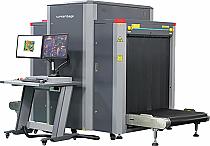
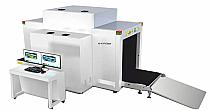
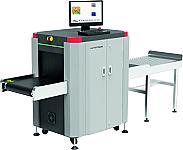
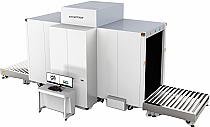
X-Ray Scanners

Showing 1–20 of 24 results

Showing 1–20 of 24 results

FAQs

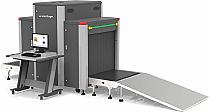
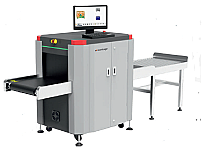
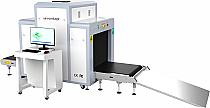
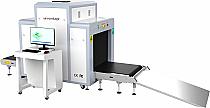
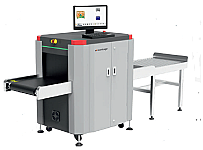
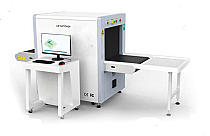
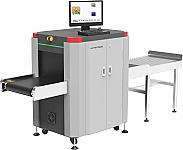
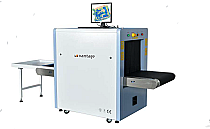
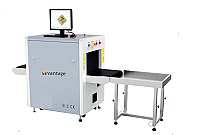
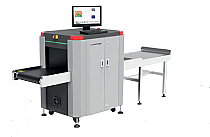
X-Ray baggage scanner is a security inspection device that uses X-rays to generate detailed color-coded visuals of the contents inside the bags or parcels without opening them, allowing security personnel to identify any prohibited or dangerous items like weapons, explosives, and contraband.

Various colors displayed when an item is scanned on an X-Ray baggage scanner help the security personnel to identify different types of materials, both organic and inorganic, and represent the density of the materials.

Orange: Represents organic materials with low density, illegal items such as drugs and explosives or even food items will appear orange.

Blue: Represents inorganic material such as metals, hard plastics, ceramics or some weapons.

Yellow or Brown: Represents inorganic material such as electronics or jewellery, coins.  

Green: Represents inorganic materials with moderate density such as soft plastics, ceramics and glass which are generally considered safe.

Red: Organic materials such as food items, rubber and even some explosives appear red

These colors allow security personnel to identify potential threats in high-security areas such as airports, hotels, stadiums, and more.

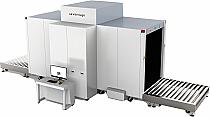
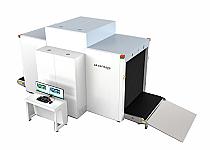
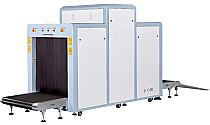
X-ray cargo scanners can scan palletized cargo using high-energy X-rays to create detailed images of the contents showing their density and structure inside the shipment container, allowing security personnel to identify contraband, explosives, or illegal goods without opening the shipment.

The cost of the X-ray scanner depends on the tunnel size, image resolution, and built-in technology. The dual-view and dual-generator models cost more compared to single-view and single-generator models.

Choosing the right model is critical in handling the volume of the baggage and detecting threats effectively. For a quote, you can contact a Vantage sales representative.

To ensure consistent performance of X-ray scanners, following checks should be included: 

1.      Calibration of detectors

2.      Conveyor belt check

3.      Radiation leakage test

4.      Consistent software updates

Preventive maintenance every 3 months by a certified technician ensures long-term reliable operation.

There are several types of baggage scanners based on application:

  • Tunnel Sizes: They vary depending on the size of the baggage or cargo being scanned, typically ranging from 50 x 30 cm to 180 x 180 cm.
  • Single-generator scanners: Scanners pass a single beam of X-ray through the contents of packages and produce a grayscale image for analysis.
  • Dual Generator and Dual-view Scanners: These scanners pass a dual beam of X-rays through the contents inside the packages and generate a color-coded image that helps in determining the organic and inorganic materials. They typically provide a top and side view for ease of identification of threats.
  • 4-Color Imaging X-Ray Scanners: Uses 4 different colors to represent material categories seen in the x-ray image. It distinguishes material broadly, such as organic, inorganic, metals, and explosives.
  • 7-Color Imaging X-Ray Scanners: Uses 7 different colors to accurately differentiate between material categories, making it easier for the operator to identify threats. 7-color imaging X-ray scanners are more precise compared to 4-color imaging models.

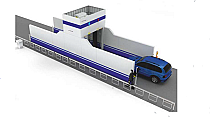
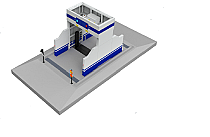
To X-ray scan an entire vehicle such as a passenger vehicle, cargo truck, or bus, vehicle X-ray scanners are used to identify threats such as drug smuggling, human trafficking, and other threats. These come in various sizes depending on the size of the vehicle to be scanned. There are options of self-drive and conveyor belt systems depending on the use case. Typically used at land borders, ports and cargo areas, high-security government buildings etc.

Choosing the right tunnel size is one of the most important decisions when purchasing an X-ray baggage scanner. At Vantage Security, tunnel sizes range from 50 × 30 cm up to 180 × 180 cm, allowing customers to select the exact fit based on application.

Here’s how to decide:

  • 50 × 30 cm to 60 × 40 cm: Ideal for offices, corporate buildings, hotels, schools, hospitals, and visitor entry points where handbags, backpacks, and laptop bags are scanned.
  • 65 × 50 cm to 80 × 65 cm: Suitable for malls, metro stations, courts, government buildings, and public venues handling trolley bags and medium-sized luggage.
  • 100 × 100 cm to 180 × 180 cm: Designed for airports, logistics hubs, industrial facilities, warehouses, and cargo screening applications involving large suitcases, cartons, and cargo pallets.

Best practice:
Always choose a tunnel size that is 20–30% larger than your largest expected baggage to ensure smooth flow, faster throughput, and future scalability.

Yes. Modern X-ray baggage scanners are completely safe when installed and operated correctly.

  • Radiation levels are extremely low
  • Fully shielded tunnels prevent leakage
  • Continuous exposure remains well within international safety limits
  • These scanners are globally used in airports, metros, courts, and public buildings, proving their safety and reliability.

A professional X-ray baggage scanner must comply with international and regional radiation safety standards to ensure safe operation for users and the public.

Global & International Standards

  • CE Certification – European Conformity for safety and radiation compliance
  • ISO Standards – Quality and manufacturing assurance
  • IEC Standards (International Electrotechnical Commission) – Electrical and radiation safety norms
  • FDA / US CFR (where applicable) – Radiation control compliance


UAE Standards

  • Dubai Municipality / UAE Radiation Safety Guidelines
  • UAE Federal Authority for Nuclear Regulation (FANR) compliance (where required)

 These standards ensure:

  • Radiation levels are within permissible limits
  • Safe usage in public and high-footfall environments
  • Legal compliance across global installations

Vantage Security ensures uninterrupted security operations throughout the product lifecycle.

We offer:

  • Professional installation & commissioning
  • Operator and security staff training
  • Technical documentation and troubleshooting guides
  • Preventive maintenance support, AMC and SLA
  • Software assistance for advanced imaging systems
  • Remote and on-site service support (region dependent)

Service response time depends on location, model, and service agreement. We at Vantage Security focuses on fast and reliable support through:

  • Availability of trained technical teams
  • Planned preventive maintenance schedules
  • Efficient spare parts management for supported models

When choosing an X-ray baggage scanner, Vantage Security offers a wide range of technologies designed to meet different security needs. Key features to prioritize include:

Tunnel Size Options

  • Wide range from 50 × 30 cm to 180 × 180 cm, suitable for baggage, parcels, and cargo


Imaging Technology

  • Single Generator Scanners
Produce grayscale images for basic screening needs
  • Dual Generator / Dual-View Scanners
Provide top and side views with color-coded images for improved threat detection

 Advanced Color Imaging

  • 4 Color Imaging
Differentiates materials such as organic, inorganic, metals, and explosives in 4 colors for a broad differentiation between various material densities.
  • 7 Color Imaging
Uses a more refined color palette (orange, brown, yellow, blue, green, black)  making it easier for operators to identify threats accurately and differentiate between the materials, thus reducing false alarms and increasing efficiency.


Operational & Safety Features

  • High image resolution and clarity
  • AI auto detection of threats
  • Material discrimination technology
  • Radiation-safe shielding
  • Operator-friendly interface
  • Compatibility with global safety standards


Choosing the right combination of tunnel size and imaging technology improves detection accuracy, reduces operator fatigue, and enhances overall security.

Cargo scanners handle large volumes and dense materials, so prioritize:

  • Appropriate tunnel size for the application
  • Single or Dual Generator System and appropriate generator capacity
  • Suitable AWG detection and Steel penetration capabilities
  • Advanced image enhancement features
  • Additional features like 3D View, Threat Image Projection (TIP) and Operator Training System (OTS) etc.
  • Ability to detect concealed weapons, explosives, and contraband through AI
  • Heavy-duty conveyor systems
  • Continuous operation capability

Vehicle scanners are used for high-risk perimeter security, so critical features include:

  • Conveyor type or drive-through scanning capability
  • High-definition imaging for chassis and compartments
  • Size of the gantry to allow the required vehicle sizes to be scanned
  • Automatic number plate recognition (optional)
  • Fast scanning speed for traffic flow
  • Integration with access control systems