How to Choose an X-Ray Scanner for Customs Inspection | Expert Guide
January 17, 2026
Key Takeaways
- Choosing the right X-ray scanner directly impacts customs security and operational efficiency
- Different applications require specific scanner types such as baggage, cargo, or vehicle scanners
- Advanced imaging technologies like AI detection and 7-color imaging improve threat detection
- Global certifications ensure compliance, safety, and reliability
- Real-world deployments provide proof of scanner performance and efficiency improvements
- Local service support and spare part availability are critical to avoid downtime
- Total cost of ownership should be evaluated beyond initial purchase cost
- Delivery timelines and installation readiness impact operational continuity
Table of Contents
- Introduction
- Choose a Scanner Designed for Your Application
- Consider the Technology and Image Quality
- Check Certifications and Global Compliance
- Evaluate Past Performance and Proven Deployments
- Ensure Service Availability and Spare-Part Support
- Compare Total Cost of Ownership (TCO)
- Verify Delivery Timelines and Availability
- Conclusion
How to Choose an X-Ray Scanner for Customs Inspection Purposes (Expert Guide)
Customs authorities today face rising cargo volumes, sophisticated concealment methods, and the pressure to maintain fast and accurate screening. Choosing the right X-ray scanner, whether for baggage, cargo, or vehicle inspection, directly impacts security, throughput efficiency, and operational reliability.This guide outlines the key factors customs departments should evaluate when selecting an X-ray scanning system.
1. Choose a Scanner Designed for Your Application
Different checkpoints require different X-ray configurations. Matching the scanner type to the operational environment is the first step.
Baggage X-Ray Scanners
Used at airports, embassies, and secure entry points for screening personal bags, parcels, and small cargo.
Cargo X-Ray Scanners
Larger tunnel sizes, such as 100 x 100 cm up to 180 x 180 cm, allow efficient scanning of bulk cargo, oversized items, and palletized shipments.
Vehicle and Container Scanners
Used at borders and ports for non-intrusive inspection of cars, trucks, and containers without the need for unloading.
Selecting the correct tunnel size and scanner category ensures proper fitment, higher throughput, and better detection capabilities.
2. Consider the Technology and Image Quality
Many customs checkpoints still use older scanners that lack modern capabilities required to detect today’s advanced threats. When evaluating scanners, departments should prioritize advanced image processing features such as:
• 7-color imaging technology
• AI-based automatic threat detection
• 3D view and multi-angle analysis
• High-resolution imaging sensors
• Material discrimination
• Inbuilt camera for baggage and person correlation
These technologies help operators make quicker and more accurate decisions while reducing manual rechecks.
3. Check Certifications and Global Compliance
X-ray scanners must follow international safety and performance standards to be approved for customs use.
Important certifications include:
• ISO standards
• CE certification
• RoHS compliance
• US FDA and IEC safety regulations
Compliance ensures radiation safety, long-term durability, and suitability for high-security installations.
4. Evaluate Past Performance and Proven Deployments
One of the strongest indicators of reliability is how well scanners perform in real customs environments. The following examples demonstrate the impact of modern scanning technology.
Case Study 1: Bangkok Cargo Port, Thailand Customs
The port previously used 150 x 150 cm scanners with limited functionality. In 2023, Vantage installed 180 x 180 cm cargo scanners equipped with AI-assisted detection and advanced imaging capabilities.
Result:
• 22 % increase in cargo scanning efficiency
• Faster handling of large cargo
• Improved threat detection accuracy
• Reduced operational delays
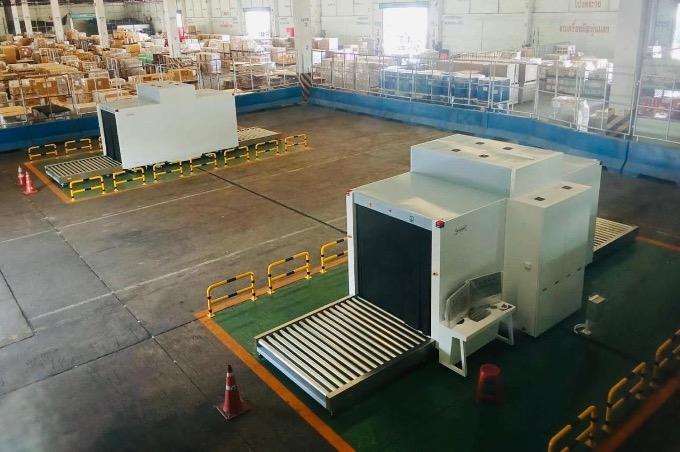
X-ray cargo scanners deployed at Bangkok Port improving operational efficiency and throughput.
Case Study 2: Embassy of Qatar in Bahrain
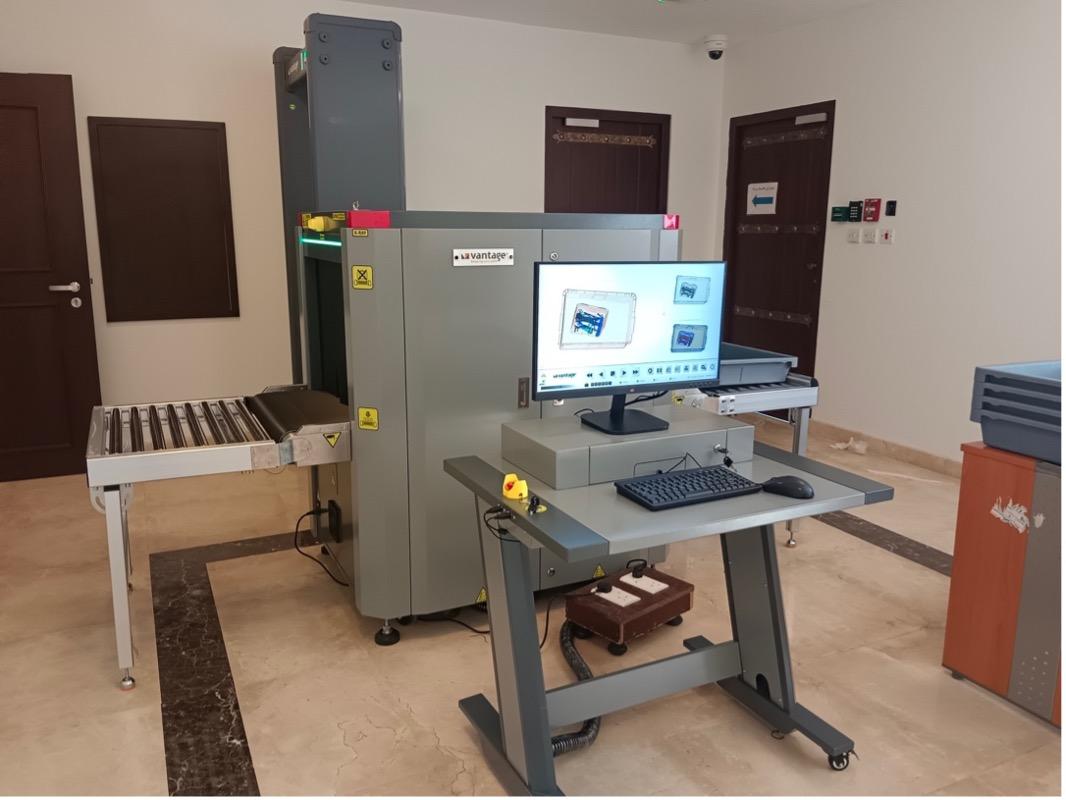
The embassy was operating older scanners and metal detectors that offered limited features and faced frequent service issues. Vantage replaced them with a 65 x 50 cm 7-color imaging scanner along with a 33-zone walkthrough metal detector.
Result:
• Better image clarity
• Faster screening
• Higher reliability
• Improved security compliance
Qatar Embassy baggage scanner setup
Upgraded baggage scanner offering 7-color imaging and 3D view capabilities.
5. Ensure Service Availability and Spare-Part Support
One of the biggest challenges customs departments face is scanner downtime. Many imported systems require long waiting periods, sometimes 6 to 12 weeks, to obtain spare parts. This results in operational disruptions and increased security risks.
A reliable scanning partner should offer:
• Regional spare part availability
• Long warranty periods
• Local technician support
• Online and onsite service teams
• Regular operator training and certification
Fast service and easy access to spares ensure uninterrupted customs operations.
6. Compare Total Cost of Ownership (TCO)
The purchase price is only one part of the evaluation. Customs procurement teams should also assess:
• Expected lifespan of the scanner
• Spare part availability and cost
• Maintenance contract requirements
• Potential downtime losses
• Energy consumption
• Upgrade and expansion options
A scanner that offers strong technical features along with low lifecycle costs provides long-term value.
7. Verify Delivery Timelines and Availability
With increasing cargo movement and security requirements, customs departments cannot afford long installation delays. It is important to check the manufacturer’s delivery capability, inventory readiness, and installation support to ensure timelines are met.
Conclusion: Choose a Scanner That Enhances Safety, Speed, and Efficiency
Selecting an X-ray scanner for customs purposes is a critical decision that affects security, workflow, manpower utilization, and national safety. Modern scanners with AI detection, high-resolution imaging, reliable support, and global compliance standards can significantly improve screening operations.
Vantage offers a comprehensive range of X-ray baggage and cargo scanners from small 50 x 30 cm tunnels to large 180 x 180 cm cargo systems used for palletized shipments. With proven deployments, advanced technology, and strong after-sales support, Vantage has become a trusted choice for customs departments worldwide.